Why Using Signal Doesn’t Solve Your Fraud Problem—And How Polyguard Does
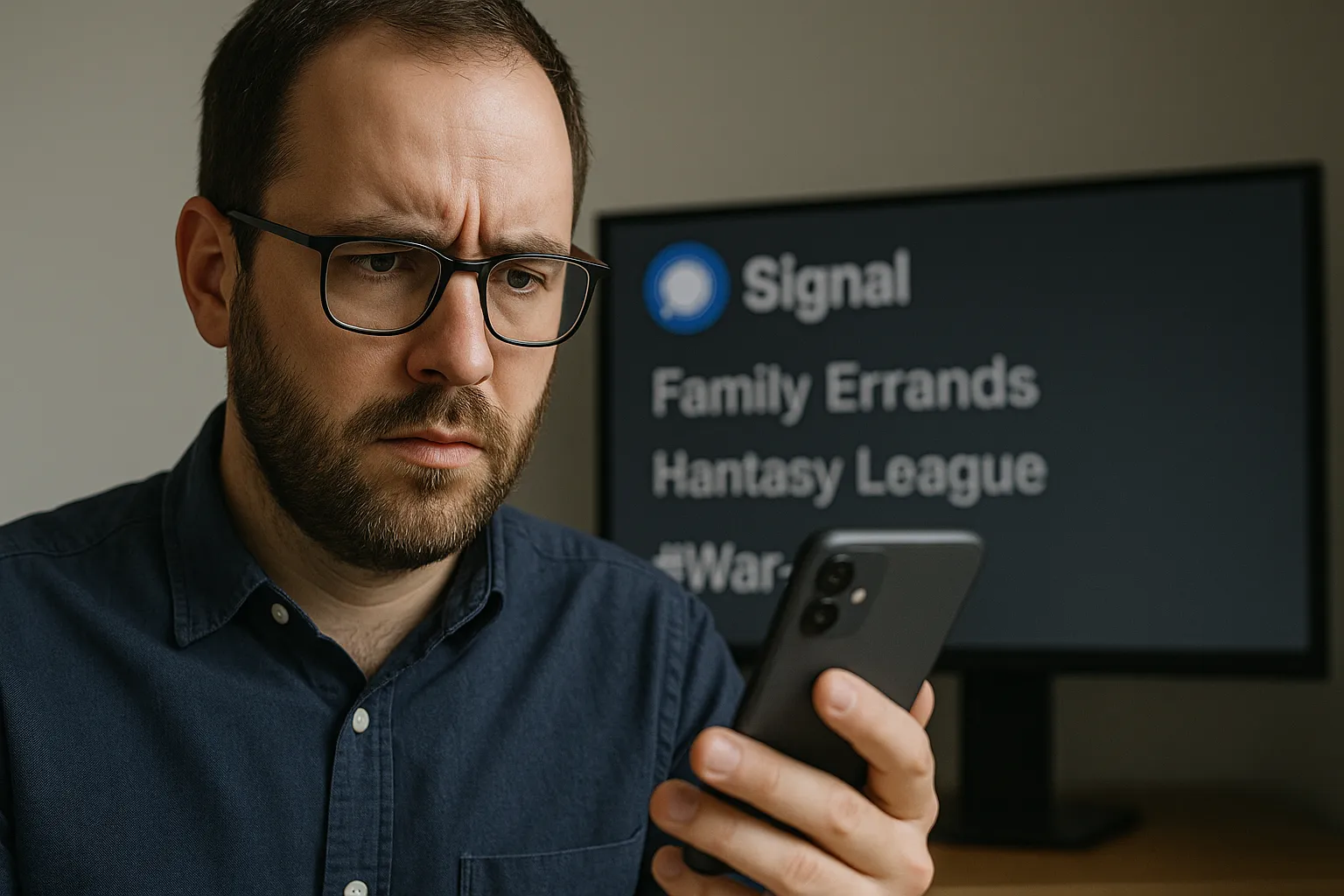 Mixing up group chats is easier than you think.
In a world filled with digital threats, many organizations turn to end-to-end encrypted apps like Signal or FaceTime, thinking they’ve secured their communications. Encryption is essential—but it’s not enough.
The reality is that Signal, WhatsApp, and even FaceTime can’t tell you who you’re actually talking to. That’s the real risk. Today’s fraud doesn’t happen in the message—it happens in the identity of the person sending it.
Encrypted ≠ Verified
End-to-end encryption protects the contents of a conversation. It ensures that nobody can listen in, spy on, or intercept your messages or calls.
But encryption apps assume the person on the other end is who they say they are.
They don’t verify legal identity.
They don’t verify biometric identity.
They don’t verify device integrity.
In short: they keep fraud private—but they don’t stop it.
The Real Threat: Identity Fraud in Secure Channels
Modern attackers don’t need to hack your apps. They just impersonate someone you trust.
-
Deepfakes simulate voices and faces convincingly on video calls.
-
Spoofed phone numbers match the caller ID of known contacts.
-
Fake resumes and LinkedIn profiles pass casual scrutiny.
This new wave of “social engineering 2.0” is fast, scalable, and devastating—especially in high-trust moments like interviews, transactions, or executive decisions. And encrypted apps are blind to it.
When Encrypted Chats Fail: Real-World Examples
Hiring Fraud via Signal and Zoom
Staffing firms have reported widespread “interview fraud,” where applicants outsource live interviews to surrogates—or use synthetic identities entirely. In several high-profile cases, these applicants were later found to be based in sanctioned regions, including North Korea.
-
FBI PSA (2022): “Deepfakes and Stolen PII Utilized to Apply for Remote Work Positions.” Source
-
Axios (2023): U.S. companies hiring North Korean IT workers unknowingly through encrypted chat platforms. Source
CFO Deepfake Impersonation in Encrypted Chat
A U.K. company was tricked into nearly transferring millions after fraudsters used a deepfaked version of their CFO to join a video call and issue payment instructions.
- CNN (2024): “Finance worker pays out $25 million after video call with deepfake ‘chief financial officer’.” Source
Vendor Payment Scams via WhatsApp and Signal
Fraudsters initiate encrypted chats pretending to be vendors, using accurate project data pulled from compromised email threads or CRMs. They redirect payments to fraudulent accounts.
- FBI IC3 Report (2023): Business Email Compromise (BEC) scams increasingly involve real-time messaging apps. Source
→ Total losses: over $2.7 billion
Why Traditional Trust Cues Break Down
Most people rely on weak indicators of identity:
-
Caller ID
-
Known phone numbers or emails
-
Friendly profile photos
-
Shared calendar invites
These are all easily faked—and once an attacker is in, encryption just makes them harder to catch.
No major messaging app—including Signal, FaceTime, WhatsApp, or Slack—performs real-world identity verification. That’s why so many businesses are still vulnerable to fraud inside trusted tools.
Polyguard: Built to Solve a Different Problem
Polyguard isn’t a messaging app. It’s a real-time identity verification system designed for high-stakes human interaction : interviews, executive meetings, and financial decisions.
We don’t deliver messages. We verify people.
Polyguard ensures:
-
Legal identity — government-issued ID, verified with document proofing
-
Biometric identity — live facial scan, matched against secure local templates
-
Device integrity — attestation of a tamper-proof mobile client
It’s not about securing the channel—it’s about securing the participants.
Where Signal Stops, Polyguard Begins
Use Signal when you want to protect what’s said.
Use Polyguard when you need to trust who’s saying it.
Use Cases:
✔️ Hiring & Recruiting
-
Catch fake candidates and banned applicants
-
Prevent “stand-in” interviews and credential laundering
-
Increase trust in remote hiring by removing doubt
✔️ Executive & Board Communication
-
Confirm identities during sensitive discussions
-
Eliminate risks from impersonation or phishing
-
Add a layer of protection to virtual meetings
✔️ Finance & Compliance
-
Block vendor scams and fake payees
-
Record audit-ready identity verification for every high-risk transaction
-
Reduce AML, OFAC, and fraud exposure
The Polyguard Trust Protocol
Our system includes:
-
Mobile-first, continuous verification
-
Customizable security rules per meeting or role
-
Privacy-safe, reusable credentials
-
Immutable audit trails for compliance and investigations
No meeting link is trusted unless the person joining it is verified—with legal, biometric, and device-level proof.
Signal is Private. Polyguard is Proven.
Encryption protects your privacy.
Polyguard protects your certainty.
If you’re relying solely on encrypted apps to run your business, you’re missing the most critical part: knowing who’s on the other end.
Try Polyguard Secure Line Today
Install our mobile app and see how effortless real-time identity verification can be.
✅ No integration required
✅ Works alongside your current tools
✅ Free to start
👉Download Secure Line— and trust every meeting.
Want to see Polyguard in action?
Experience real-time identity verification for your communication security.